



Yesterday Bill and I were going out for a shortish ride through South Austin. We’d ridden across the MOPAC pedestrian bridge and then were heading out south on the frontage road beside MOPAC, when ahead we saw a huge dust cloud. As we approached it, it became apparent that is wasn’t just dirt. I should of made a quick decision and just turned around. But, I glanced over my shoulder and there wasn’t a car coming from behind, so we just kept riding.
At the bottom of this hill there was a big pile of cement, not concrete, but just dry cement. I have no idea how it got there. It would have been dozens of bags of Quickcrete. We rode by the pile and got a hundred meters up the hill by the time the first car drove by. Looking over my shoulder, there was a huge plume of airborne toxic dust.
Dry, unused cement/concrete is really not something good to breathe. The way cement works is when you add water, a chemical reaction occurs, by hydration, and a lot of different things occur. Lots of different chemical reactions occur and heat is produced as a by-product. When you breathe dry dust into your lungs, this hydration process starts because you’ve added the water. I’ve had the pleasure of having the experience a few times and it plays havoc on my lungs and throat. It was not different this time.
The first time I had any experience with this was when I was racing MTB bikes for Specialized back in the mid-90’s. We were racing the World Cup in Hoffalize Belgium. I was doing the qualifying race the day before the World Cup and they were rebuilding the cobble main street in the morning. The construction workers were spreading a dry cement mixture on the cobbles and then they were just spraying a little water and using a squeegee to spread the mixture and get it between the cobbles.
Anyway, there was a lot of dry cement dust that hadn’t contacted water, thus was ripe to react with our lungs. 150 of us started out and it was a complete whiteout of cement dust. Nearly instantly I couldn’t breathe. My throat was toast. I don’t think that any of us that road that first qualifying race had a result the next day at the World Cup. All of us were ill from breathing the cement.
I’ve had the same experience laying tile. When I get lazy and don’t wear a mix when I mix the thinset, mamy times I get the throat burn. Usually doing this, I end up with strep throat, having to antibiotics.
Back to yesterday. I’m not sure how much cement dust Bill and I actually took in. We were pretty far past the pile before the first can came by and the wind was blowing from the west, so it was blowing away from us as the cars passed. But the road was dusty for a long time, maybe half a mile.
My throat felt pretty bad all ride and then this morning isn’t good either. I should of done a sinus wash right when I got back, but didn’t think about it.
I hope this isn’t the start of something bad. I know I’m very much on the edge and have trying to be very careful and stay well. I guess time will tell.
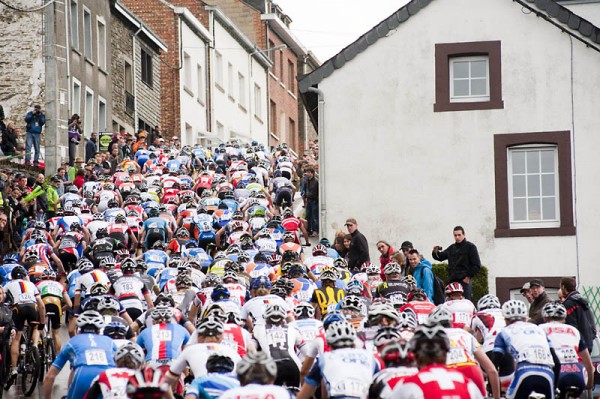
The World Cup start in Hoffalize a few years ago.
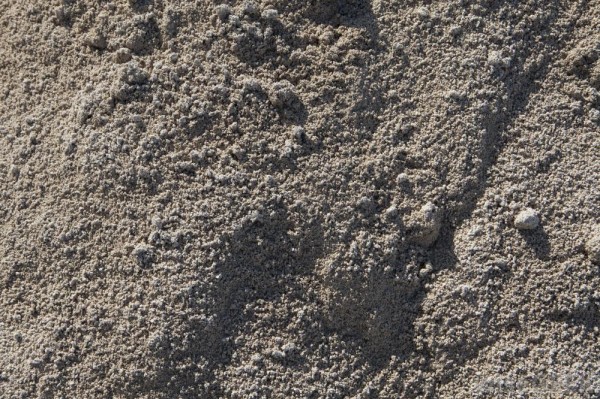
Dry cement powder.
Click to enlarge.